
Vietnam, one region at a time
Vietnam is long and narrow, and the three regions feel like different countries. Start here to see what each one offers, then open the regional guide that matches your holiday.
The three regions
Most holidays from India touch one, two or three of these regions. Each guide covers what the place really is, how many nights to give it, the months that suit it and the programmes that go there.

Hanoi · Halong · Sapa
North Vietnam
Hanoi, Ninh Binh, Halong Bay and Sapa: old streets, limestone scenery and mountain villages.
Explore North Vietnam
Da Nang · Hoi An · Nha Trang
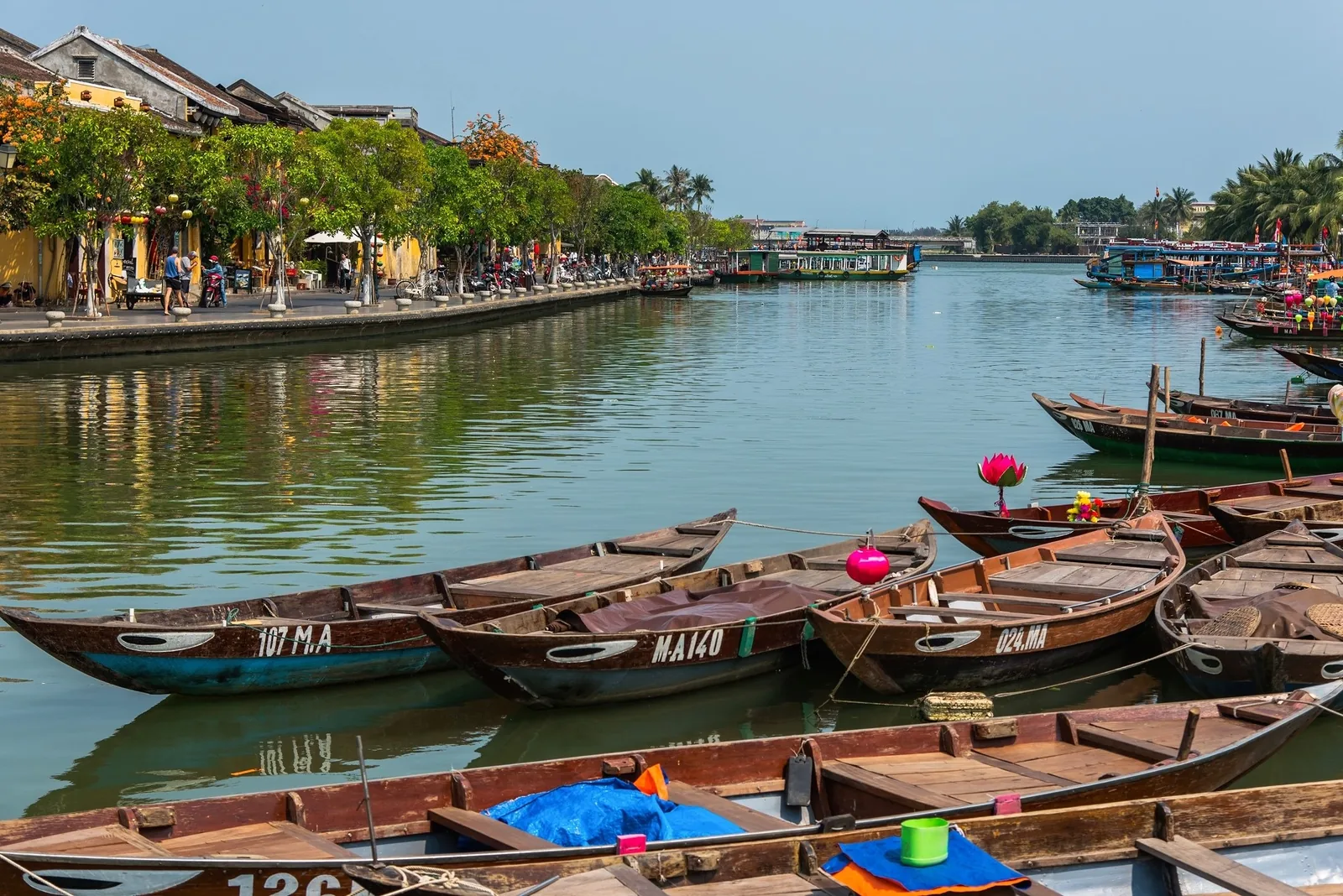
Central Vietnam
Ba Na Hills, Hoi An, Da Nang and Nha Trang: beaches, cable cars and a lantern-lit old town.
Explore Central Vietnam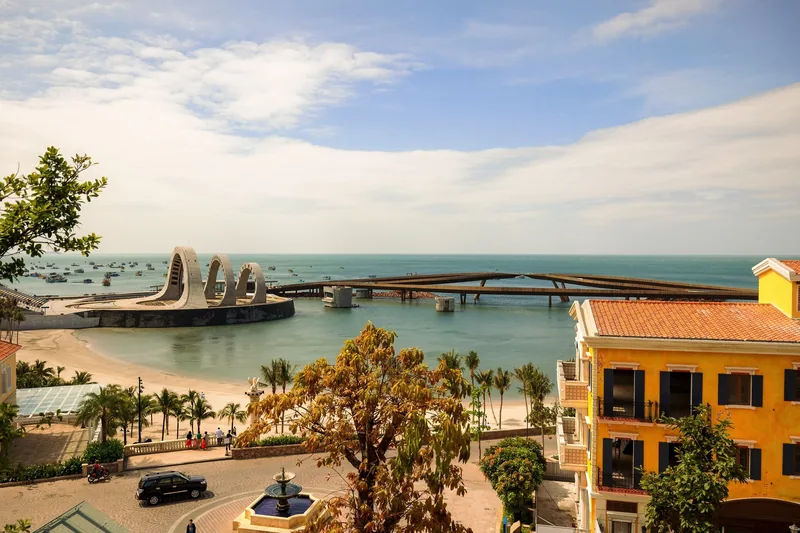
Saigon · Mekong · Phu Quoc
South Vietnam and Phu Quoc
Saigon, the Cu Chi tunnels, the Mekong Delta and the island of Phu Quoc.
Explore South Vietnam and Phu QuocHow the regions differ
The north
Hanoi is the capital and the busiest place most visitors will see: motorbikes, street stalls and lakes right inside the city. About 180 km away by road, Halong Bay is a sea of limestone islands, seen properly only from a boat. Ninh Binh offers similar rock scenery on rivers and rice fields, and Sapa sits in the mountains near the Chinese border, a long drive from Hanoi. The north also gets a cool season, which the south never does.
The centre
Da Nang is a modern beach city with its own international airport. From there, Ba Na Hills, the Marble Mountains and Hoi An are all day trips. Nha Trang, further down the coast, is a beach town that people visit mainly for its islands. The centre has its own rainy months, which do not match the north or the south.
The south
Ho Chi Minh City, still widely called Saigon, is the commercial heart of the country. Day trips run to the Cu Chi tunnels and to the Mekong Delta. A short flight away, Phu Quoc is an island built for beach holidays, with theme parks, cable cars and boat trips to smaller islands.
How the regions connect
Distances in Vietnam are large, and our programmes move between regions by domestic flight. Typical flights in our plans run between Hanoi and Da Nang, Hanoi and Nha Trang, Da Nang and Saigon, and Phu Quoc and Da Nang. Each flight takes most of a half day once you count the hotel checkout, the drive to the airport and the transfer at the other end, so the plan never puts heavy sightseeing on a flight day.
From India, direct flights from Delhi land in Hanoi and Ho Chi Minh City, which makes it easy to arrive in one end of the country and leave from the other. Planning a trip from India has the flight times, the e-visa and money advice, with sources.
How many days for each region
- One region: four to five days is enough for the north (Hanoi, a night on Halong Bay, Ninh Binh) or for a beach stay on Phu Quoc.
- Two regions: six to seven days. North plus centre is the most common pairing; north plus a beach in Nha Trang suits families.
- Three regions: eight to ten days. Fewer days than that and you spend too much of the holiday at airports.
- Adding Sapa: allow two extra nights. The road from Hanoi is long, and one night is not enough to make the trip worth it.
The tour list shows how these lengths work out in practice.
Weather, in short
Because the country stretches so far from north to south, there is no single good month for all of Vietnam. Phu Quoc has its dry season while the central coast is wet, and the north can be cool when the south is hot. Each regional guide shows a month-by-month chart taken from the official tourism site, so check the region you plan to visit rather than Vietnam as a whole.
Ready to pick a route?
Plan your trip
Tell us which regions interest you
We will suggest a route and a number of nights that fits your dates.
Common questions
Questions travellers ask most
Which region should a first-time visitor choose?
If you have a week or more, combine the north and the centre: Hanoi, Halong Bay, Da Nang and Hoi An give a good first picture of the country.
With less time, choose one region and stay longer in it.
Is Vietnam easy to travel around with children?
Yes, if the plan keeps travel days light. Phu Quoc and the central coast have theme parks, cable cars and beaches, and private transfers mean no waiting for buses.
Do I need to fly between regions?
For most holidays, yes. Road and rail journeys between the regions take many hours, so our programmes use domestic flights, quoted separately.
Can I start in the south and end in the north?
Yes. Direct flights from Delhi reach both Hanoi and Ho Chi Minh City, so either direction works. Our ten-day programme runs from Saigon to Halong Bay.
Related
Read next
Guide
North Vietnam
Hanoi, Ninh Binh, Halong Bay and Sapa: what they are like and how long to stay.
View this journeyGuide
Central Vietnam
Hoi An, Da Nang, Nha Trang and the Ba Na Hills: what they offer and how long to stay.
View this journeyGuide
South Vietnam and Phu Quoc
Saigon, Cu Chi, the Mekong Delta and Phu Quoc: what to expect and how long to stay.
View this journey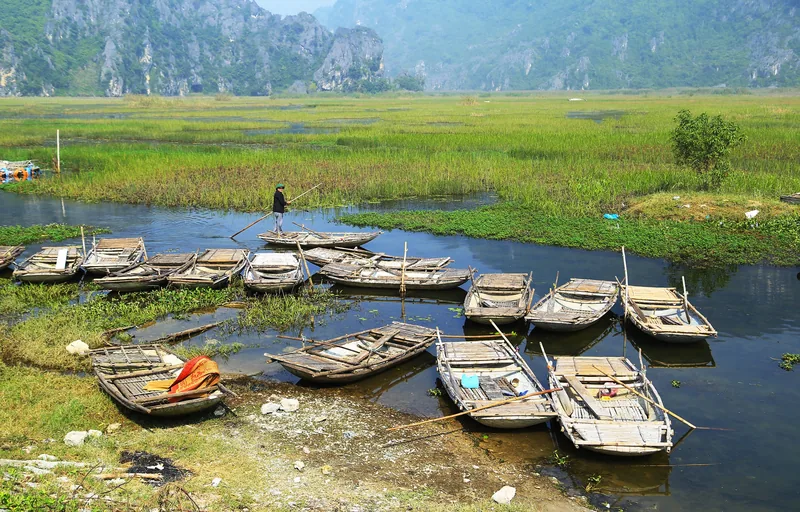
Guide
Vietnam tour programmes
All nine Vietnam programmes compared by days, route and who they suit.
View this journey
Guide
Planning from India
E-visa, flights, time difference, money and seasons for travellers from India.
View this journey
Guide
Vegetarian and Indian food
How vegetarian, Jain and Indian meals are planned along a Vietnam itinerary.
View this journey
Start planning
Tell us about the trip you have in mind
Dates, party size and the places you care about are enough to start. You get a draft route and an indicative price, not a brochure.