
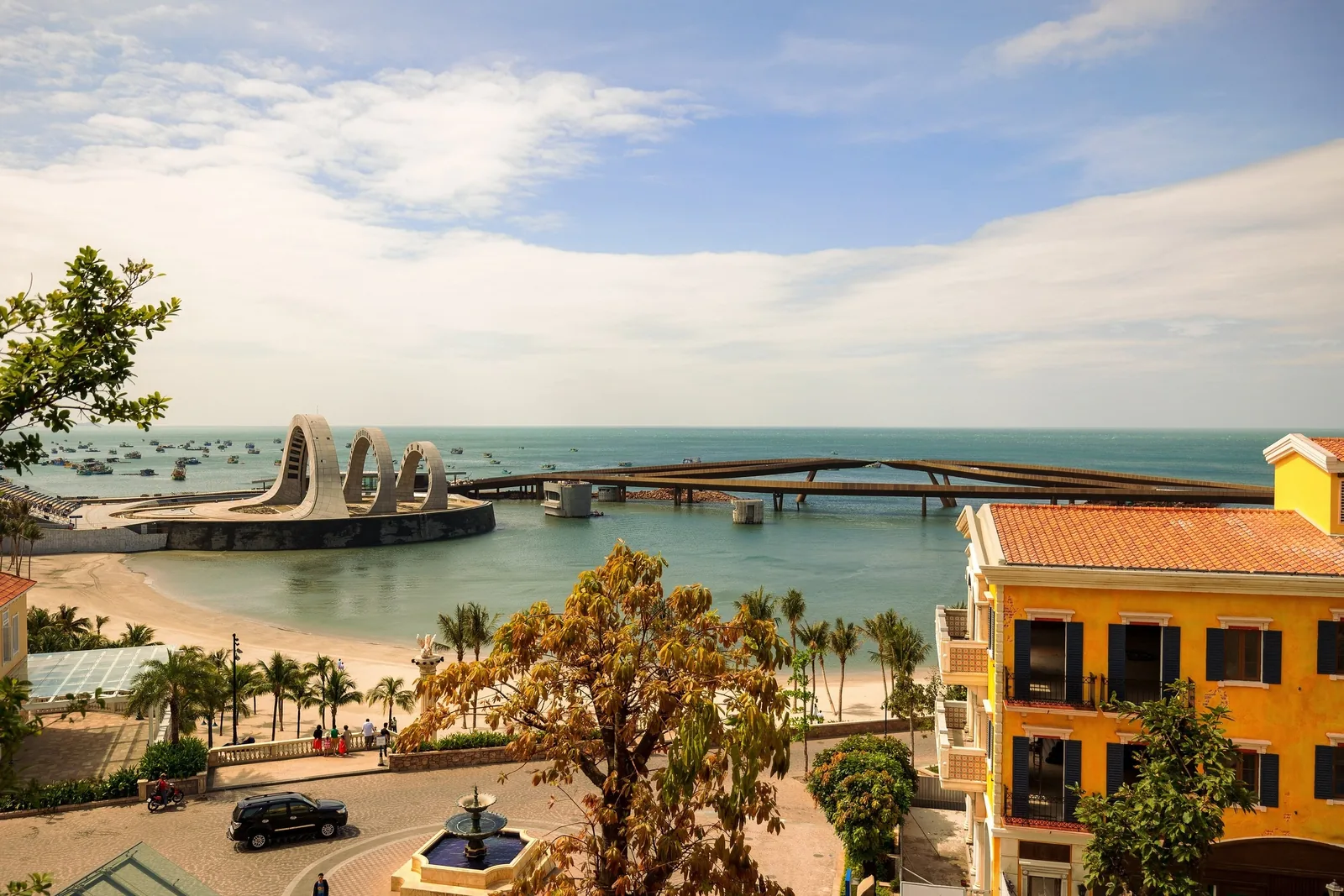
South Vietnam and Phu Quoc island
The south pairs Vietnam's largest city with the slow waterways of the Mekong and an island made for beach holidays. It is the warmest part of the country, the easiest to reach for a short break and a good place to end a longer trip.
At a glance
What the south really is
Ho Chi Minh City, which almost everyone still calls Saigon, is big, hot and commercial. It has fewer historic sights than Hanoi, and the ones it has are mostly from the French period and the war years. What it offers is energy: markets, river traffic, rooftop views and a sense of a country moving fast. Two days is enough for most visitors.
Phu Quoc is a different world. It is an island off the south-west coast, warm all year, where a large share of the visitor attractions are modern and purpose-built: theme parks, a safari park, a long cable car and a resort town that never closes. Families love it for exactly that reason. Travellers hoping for a quiet, undeveloped island should know that the busy parts are very busy, although more than half of Phu Quoc is a UNESCO biosphere reserve and the island beaches are calmer.
The places, one by one
Saigon
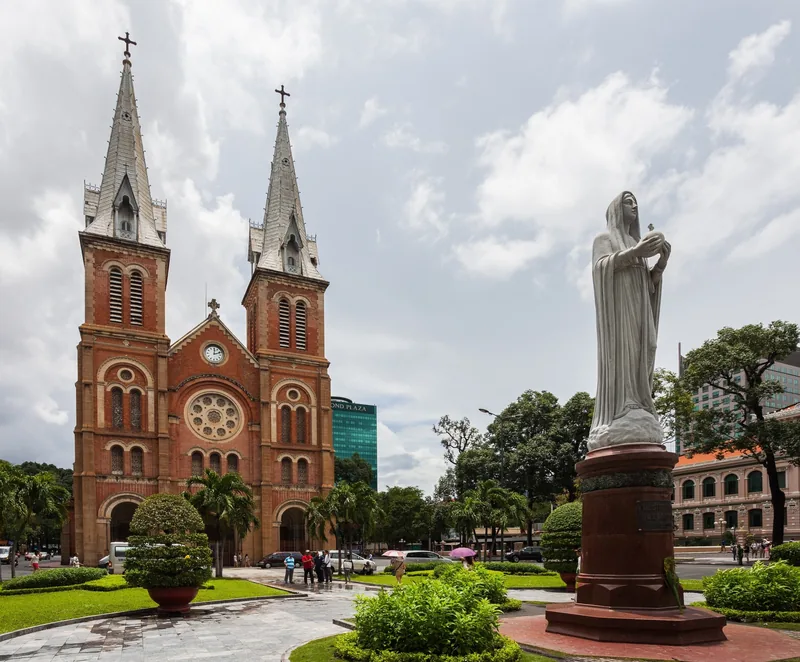
A half-day city tour covers the landmarks built in the colonial era: the old Post Office, Notre Dame Cathedral and the Reunification Palace, sometimes with the War Remnants Museum added. Ben Thanh market is the place for shopping and bargaining. Some programmes also visit Cho Lon, the Chinese quarter, with the Thien Hau Pagoda, and finish with a water bus ride along the Saigon River, where you see the city's towers from the water.
Cu Chi tunnels
North-west of the city, the Cu Chi tunnels were dug over roughly 25 years from the 1940s and stretch for more than 250 km. Visits show the hidden entrances, traps, kitchens and meeting rooms used during the war, and you can crawl through a short stretch of tunnel if you wish. Some programmes go to the Ben Duoc section, which tends to be quieter. A firing range is on site at extra cost; you are under no obligation to use it, and many families skip it.
The Mekong Delta
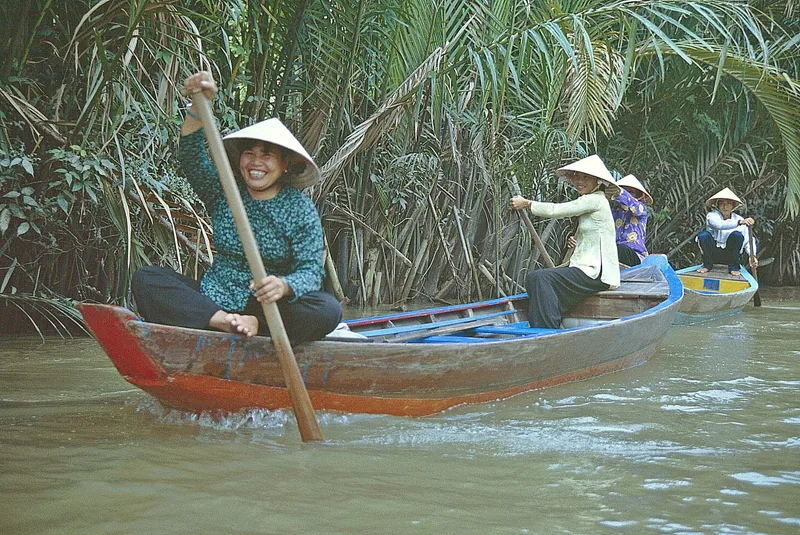
The usual day trip goes to My Tho, about 70 km and an hour and a half by road. From there you spend around three hours on and beside the water: a rowing sampan through narrow canals, a walk on an island of fruit orchards, a look at coconut candy being made and a stop for fresh fruit and honey tea. It is gentle and suits all ages.
Phu Quoc
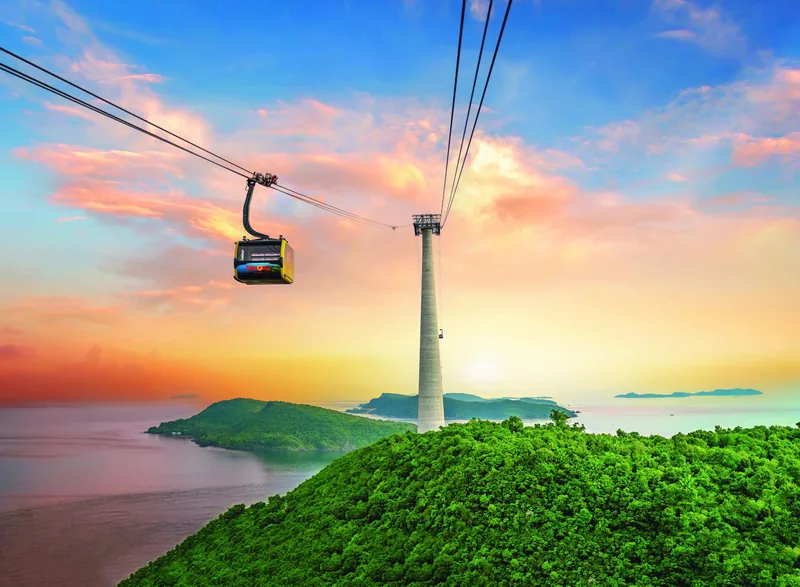
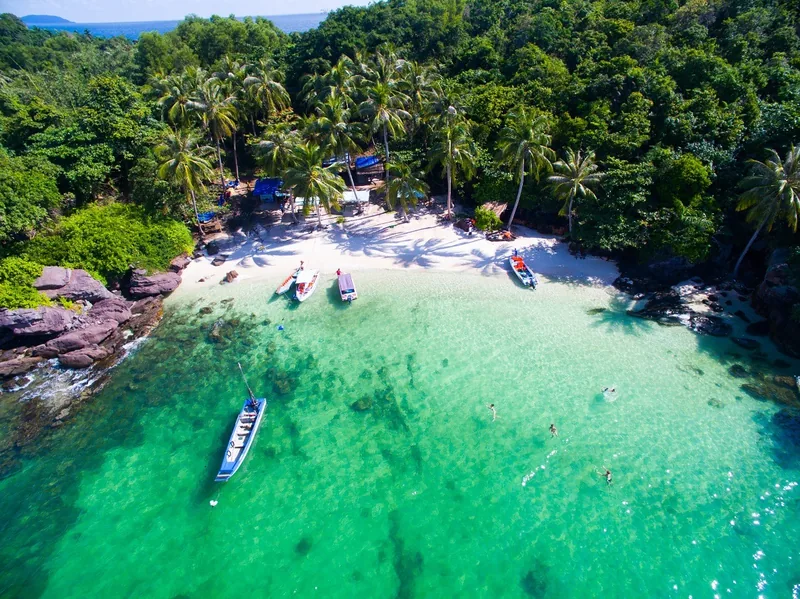
Island days follow a few set patterns. A boat from An Thoi harbour visits small islands in the south, such as Mong Tay, Gam Ghi and May Rut, for swimming and snorkelling over coral, then lands at Hon Thom for the Aquatopia water park and a cable car ride back over the sea at sunset. Another day goes to VinWonders, a theme park on Long Beach with over 100 rides and shows, and to Vinpearl Safari, a semi-wild animal park. Grand World, at Bai Dai in the north, is an entertainment district open around the clock, with a Venice-style canal and a teddy bear museum that younger children enjoy.
How many nights and why
- Saigon: 2 nights. One half day for the city and one morning for the Cu Chi tunnels.
- Saigon: 3 nights if you also want the Mekong Delta day trip.
- Phu Quoc: 3 nights. One day for the islands and cable car, one for VinWonders and the safari park, plus an arrival afternoon at Grand World.
- Phu Quoc: 4 nights or more if you want real beach time with nothing planned.
Phu Quoc on its own makes a full four-day holiday. Saigon fits naturally as the start or end of a trip that also includes the centre or the north.
When to go
3 = most comfortable, 2 = good, 1 = wettest months.
Phu Quoc is warm all year, with an average temperature of around 27°C. The most comfortable stretch is the dry season from October to March. April and May are the hottest months, and the chart shows July to September as the wettest part of the year, when sea conditions can affect boat trips.
Sources: vietnam.travel: Phu Quoc · checked .
Getting there from India
Direct flights between Delhi and Ho Chi Minh City take about 5 hours, and Vietnam is 1 hour 30 minutes ahead of Indian time. From Ho Chi Minh City there are onward connections to Phu Quoc, Da Nang, Nha Trang and Hue. Tan Son Nhat and Phu Quoc are both on the list of airports where e-visa holders can enter, so you can fly into the island and out of Saigon, or the other way round.
See planning a trip from India for e-visa steps, money and packing.
Sources: Vietnam Airlines: Flights from Delhi to Vietnam; Vietnam National Authority of Tourism: Visa requirements · checked .
When to skip it
- You can only travel between July and September and want Phu Quoc for beach days. Those are its wettest months.
- You want an empty, unbuilt island. Parts of Phu Quoc are dense with resorts and attractions.
- You struggle with heat. Saigon and Phu Quoc are hot for much of the year, especially in April and May.
- Anyone in your group is uneasy in tight spaces. You can skip the tunnel crawl at Cu Chi, but the site itself is about the tunnels.
Food in the south
The nine-day Phu Quoc, Da Nang and Saigon programme already plans Indian vegetarian lunches and dinners on Phu Quoc and in Saigon, with a meal coupon on the theme park day. On the four-day Phu Quoc programme and on other southern stops, vegetarian, Jain or Indian meals are arranged on request; tell us when you enquire. Read how we arrange meals along the route.
Programmes that include the south
- Phu Quoc island, 4 days: islands, cable car, VinWonders and the safari park.
- Phu Quoc, Da Nang and Saigon, 9 days: three regions with Indian vegetarian meals planned.
- Hanoi to Saigon with the Mekong, 8 days: ends with the Mekong Delta and Cu Chi.
- Hanoi, Halong, Hoi An and Saigon, 7 days: Cho Lon, the river water bus and Cu Chi.
- Saigon to Halong Bay, 10 days: starts with Saigon, the Mekong and Cu Chi.
Photos
Common questions
Questions travellers ask most
Is Phu Quoc good for a family with young children?
Yes. It has a water park, a theme park, a safari park and calm island beaches, and transfers are short. Plan one rest afternoon so the children are not overtired.
Can I fly from India straight to Phu Quoc?
Our flight source lists direct services from Delhi to Hanoi and Ho Chi Minh City. From there, domestic connections reach Phu Quoc. Check current schedules when you book.
Are the Cu Chi tunnels suitable for children and older travellers?
The site is mostly above ground on forest paths. Going inside a tunnel is optional, and the sections are short, so anyone uncomfortable can stay outside.
When is the rainy season on Phu Quoc?
The official tourism site describes October to March as the dry season. The wettest months on its chart are July to September.
Related
Read next
Guide
Vietnam destinations
How Vietnam divides into three regions and how to choose between them.
View this journey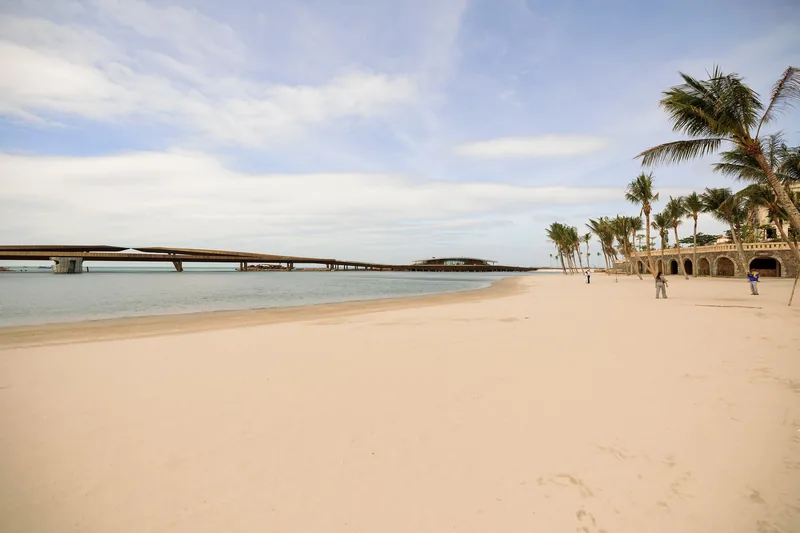
Example journey
Phu Quoc Island, 4 days
Three nights on Phu Quoc with an island boat day, the Hon Thom cable car, VinWonders and the safari park.
View this journey
Example journey
Phu Quoc, Da Nang, Saigon, 9 days
Island, hills and city over nine days, with most lunches and dinners at Indian vegetarian restaurants.
View this journey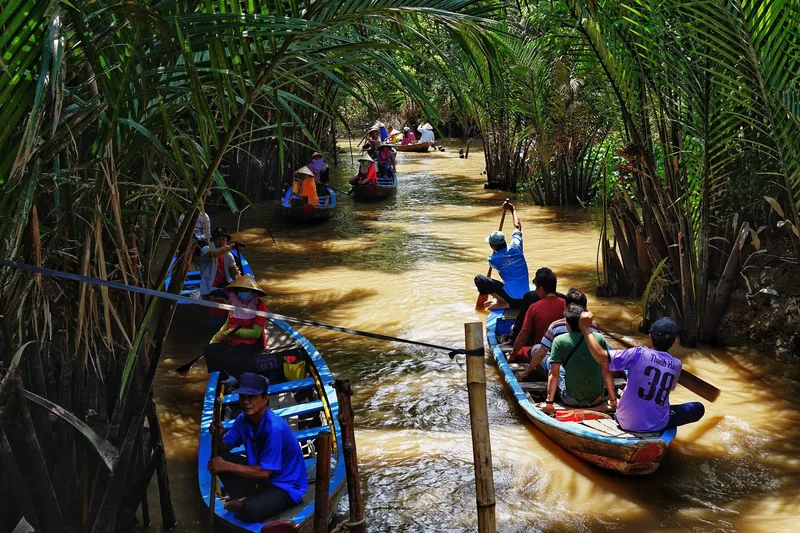
Example journey
Hanoi to Saigon in 8 days
North to south in eight days, with a night on Halong Bay.
View this journey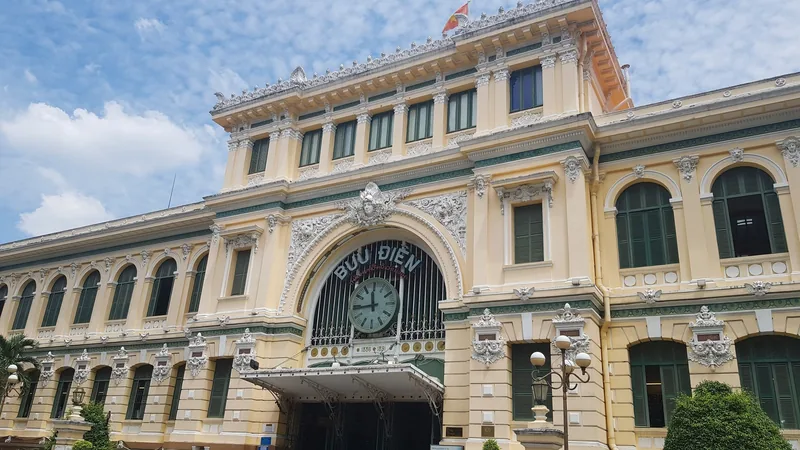
Example journey
Saigon to Halong Bay, 10 days
South to north in ten days, ending with a night on Halong Bay.
View this journey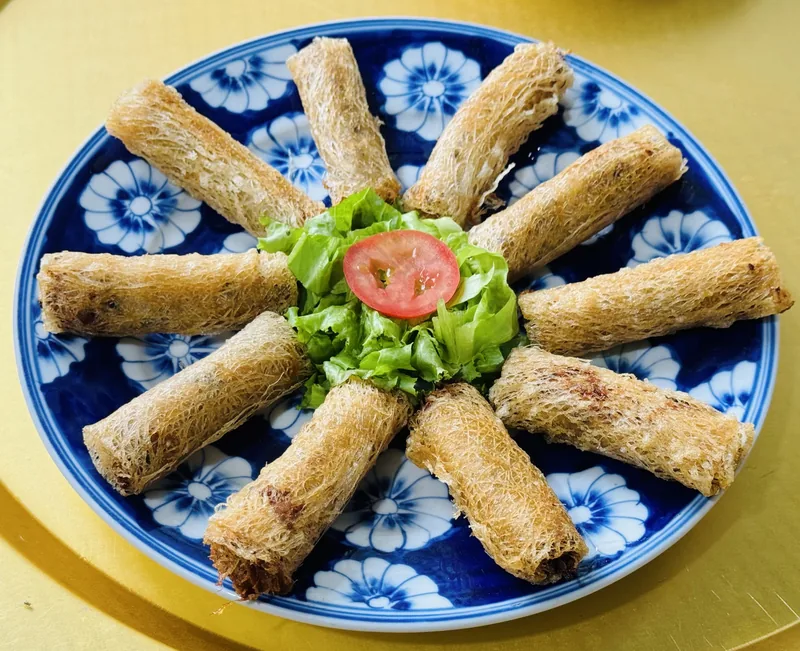
Guide
Vegetarian and Indian food
How vegetarian, Jain and Indian meals are planned along a Vietnam itinerary.
View this journey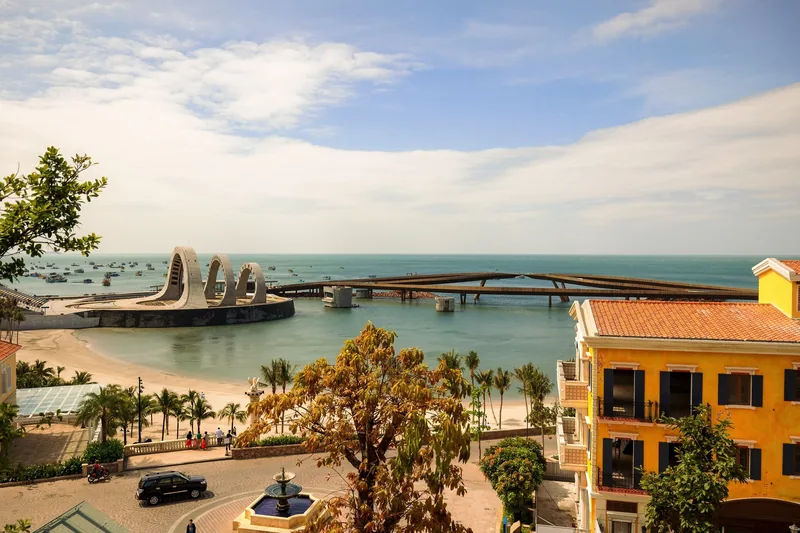
Start planning
Tell us about the trip you have in mind
Dates, party size and the places you care about are enough to start. You get a draft route and an indicative price, not a brochure.